An under-utilised native tree: Glochidion ferdinandi

, ,

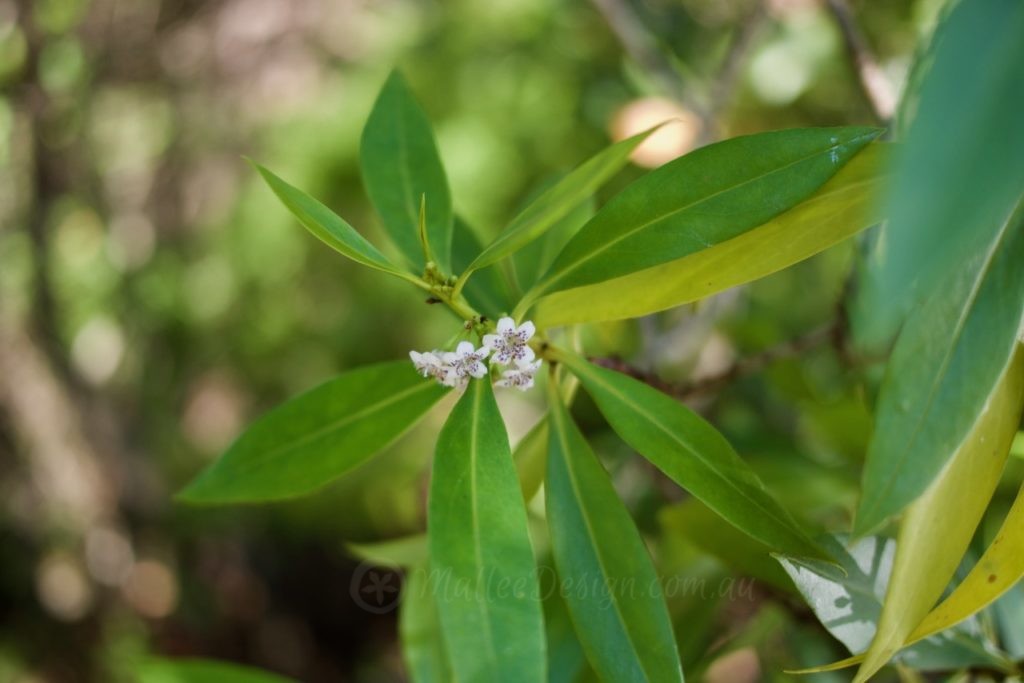
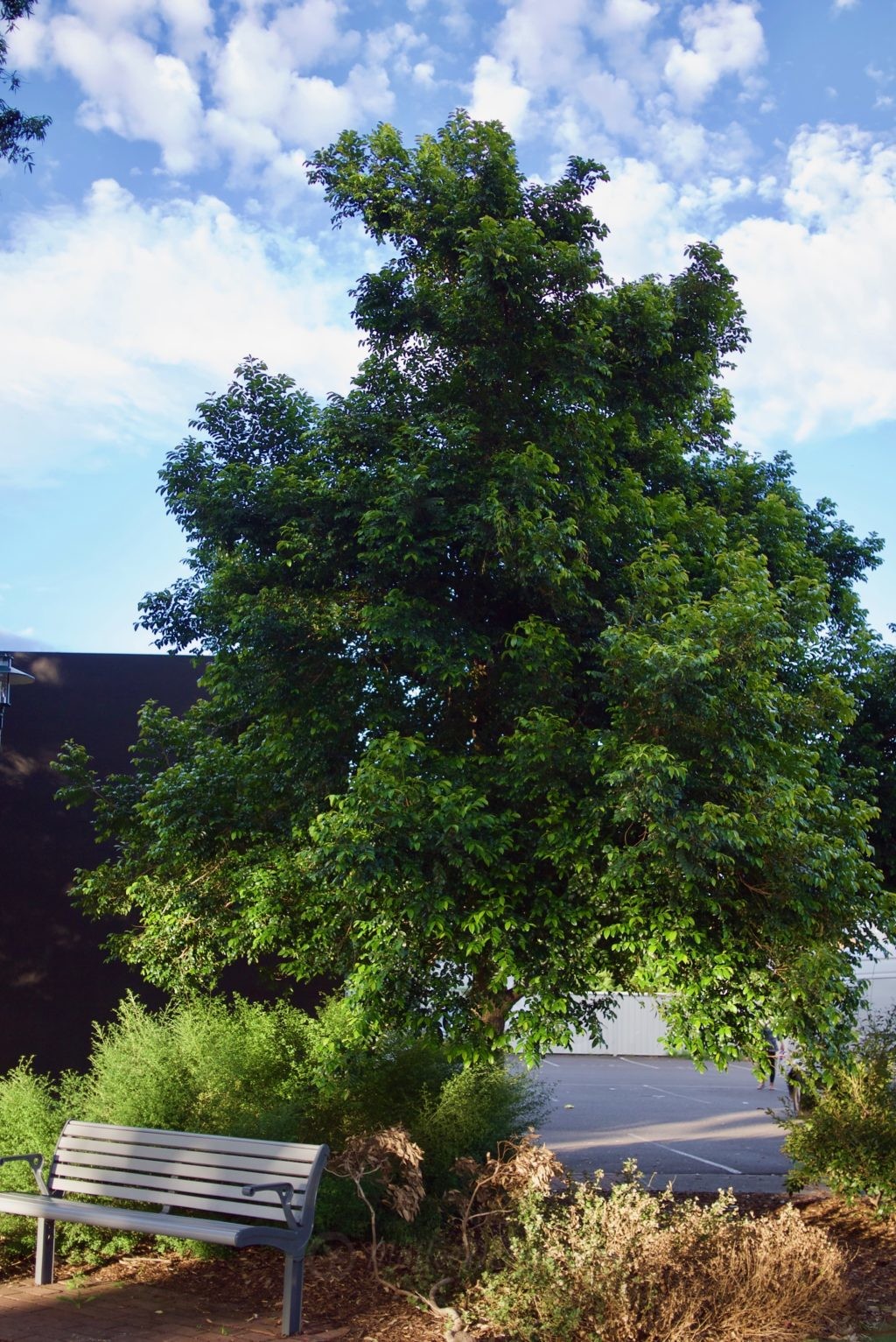
This is the ever adaptable Cheese tree Glochidion ferdinandi, I would love to see these used more widely in our streetscape as street trees but also as shade trees in gardens or parks. They have the same glossy luscious look as a Lilly Pilly or Waterhousia but with the added benefit of being semi-deciduous in winter.
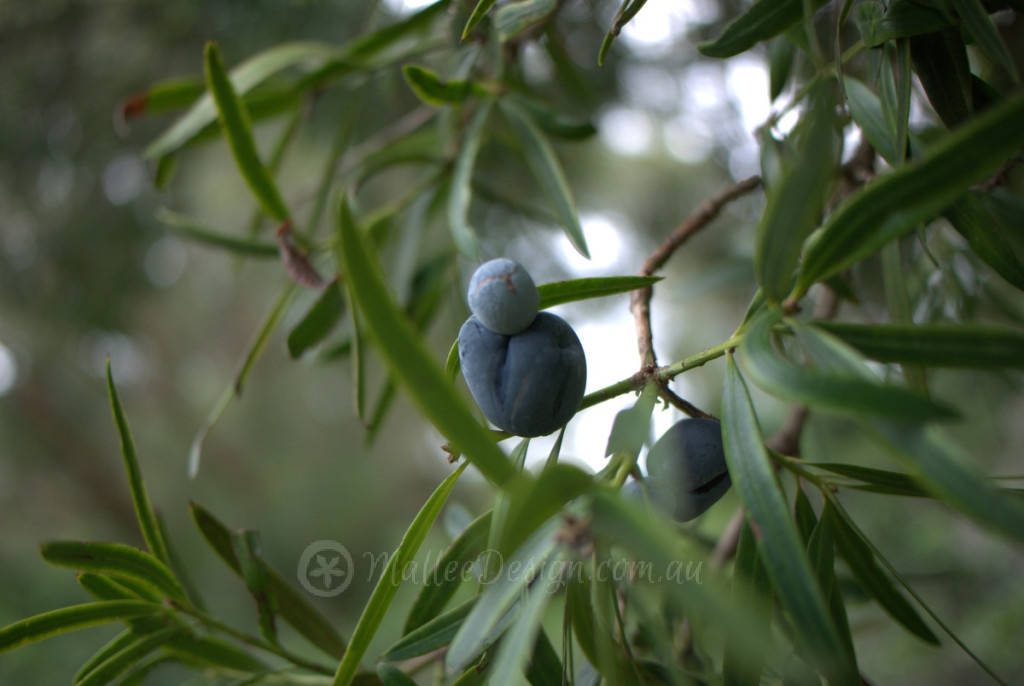
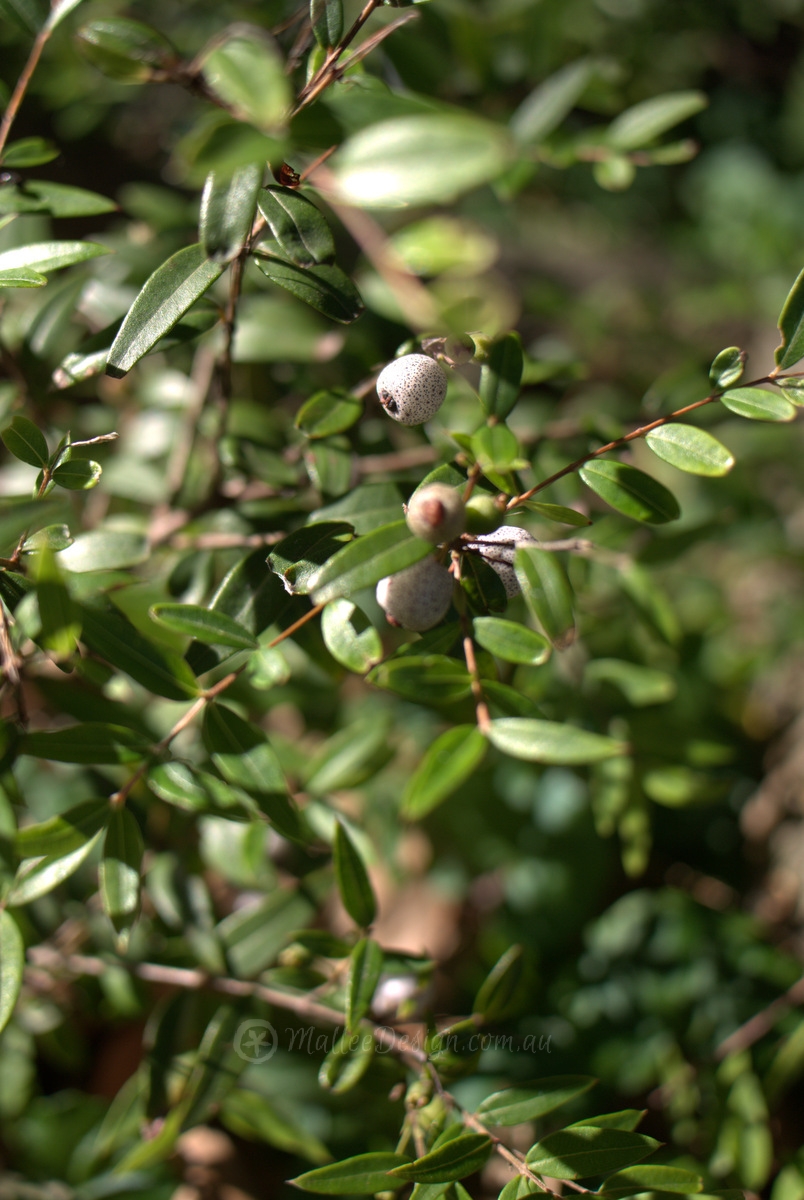
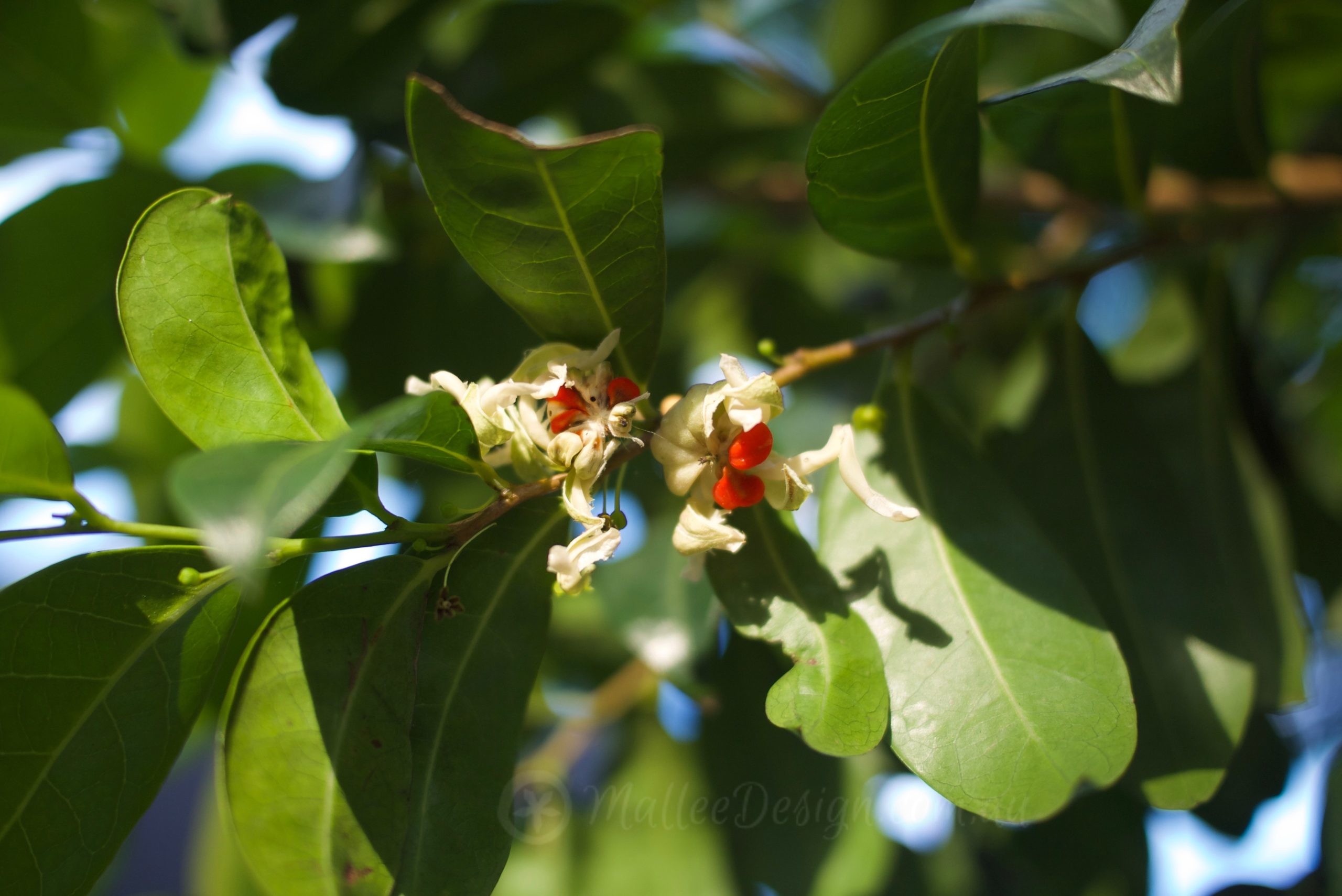
Glochidion ferdinandi is named after its sweet little cheese parcel shaped fruit which burst open to reveal bright red seeds which attract a range of fruit and seed eating birds including the, Lewin’s Honeyeater, Olive-backed Oriole, rainforest pigeons and doves, and parrots.
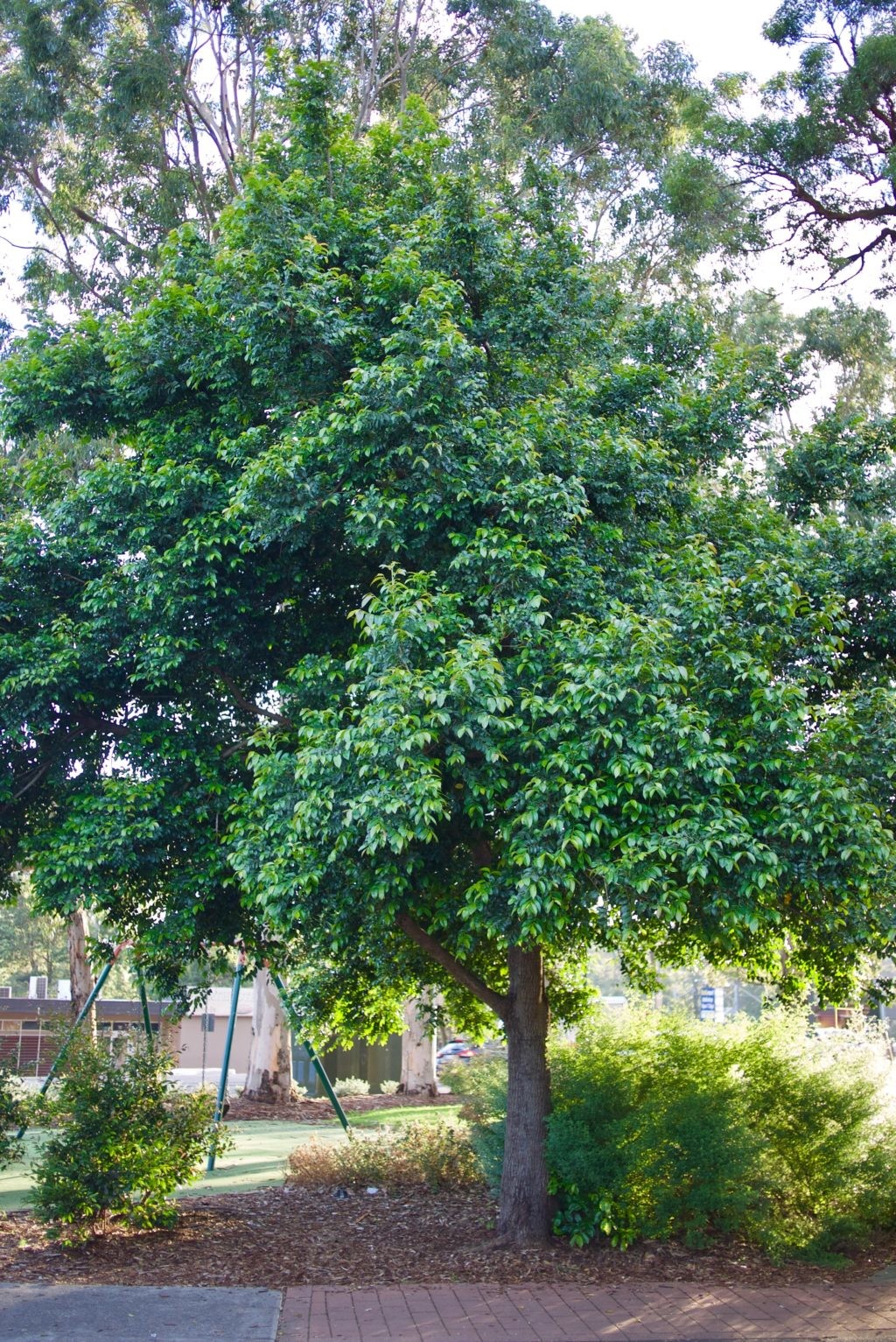
The Cheese tree grows from anywhere between 5 and 20 metres, sometimes it can be seen as a suckering shrub if it’s in an unfavourable or stress inducing position.
The leaves are a food source for the larvae of the Shining Pencil-blue Butterfly.
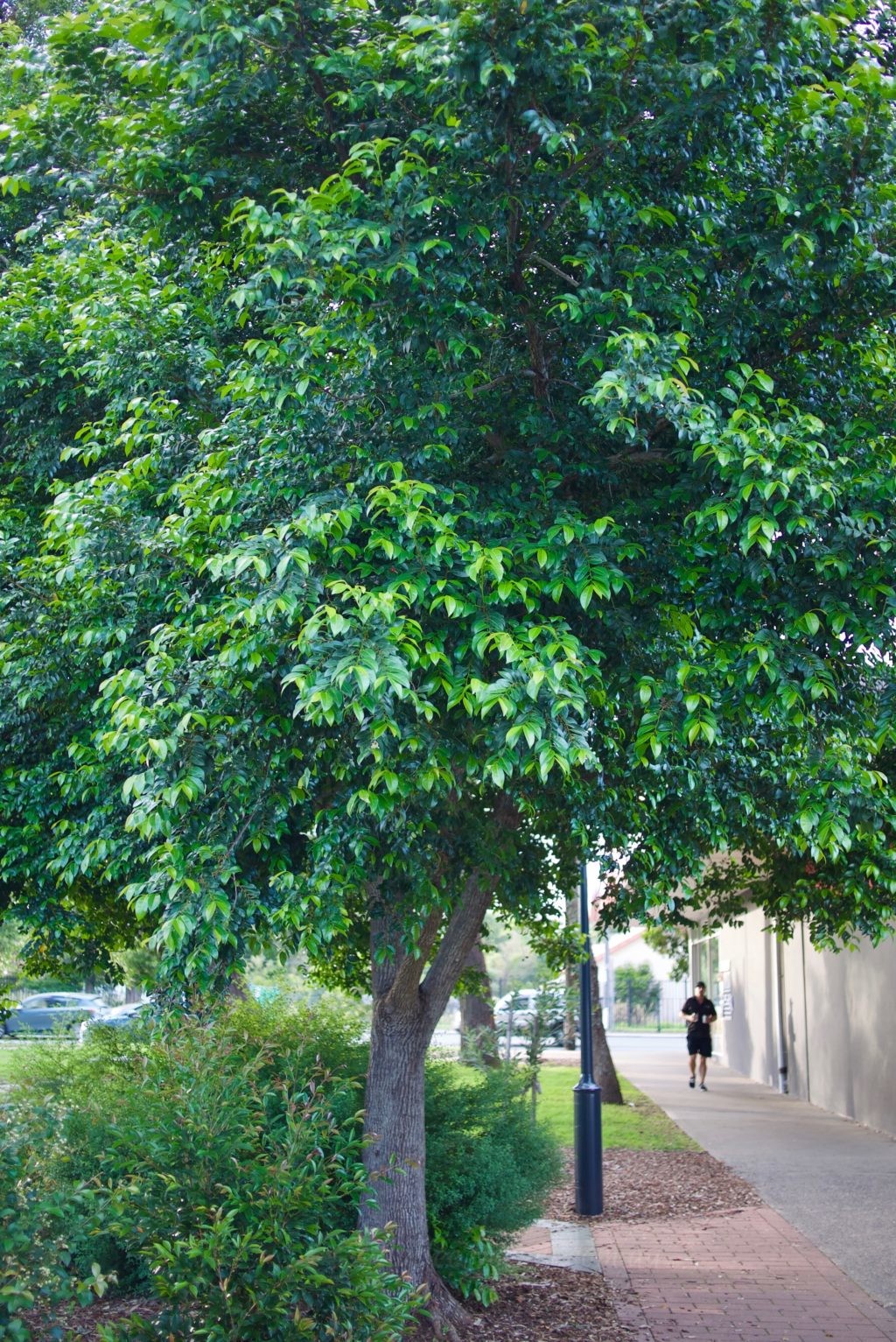
The dense crown of Glochidion ferdinandi lends it to be utilised as a great screening tree or it can even be clipped to create a tall hedge. It grows quickly and once established is very hardy.
What more could you ask for from a native tree?

Comments

8 responses to “An under-utilised native tree: Glochidion ferdinandi”

  1. Delwyn Polzin Avatar
    Delwyn Polzin

    Are glochidion-ferdinandi trees frost and drought tolerant? We need a good shade and wind break tree around our cattle yards. I have thought about planting lilly pilly?

    1. Kath Gadd Avatar
      Kath Gadd

      Hi Delwyn,

      I don’t think Glochidion ferdinandi would be tough enough as a wind break. What about a Casuarina species or a local Eucalyptus?

      Best,

      Kath

  2. John Avatar
    John

    How do I get rid of the cheese tree suckers? Who do I get? It going under the house and everywhere.

    1. Kath Gadd Avatar
      Kath Gadd

      Hi John,

      You can prune them or pull them out by hand. The suckers will be attached to roots of the main tree so you don’t want to be too vigorous pulling them out as this will also damage the main tree. The reason the main tree would be suckering is because it’s overall health of the isn’t doing very well. Some native fertilizer/care for the main tree would be a good thing to do and many a check for insect damage.

      Good luck,

  3. Tim Clarkson Avatar
    Tim Clarkson

    Unsure of its hardiness, but for wind break, hardy but also a rainforest tree you could look at Brush Box as an alternative. Lilly pillys are drought hardy when older, but will need shading abd watering a lot while small.

  4. Pat Avatar
    Pat

    Are the leaves good for compost?

    1. Kath Gadd Avatar
      Kath Gadd

      Hi Pat,

      Yes, they should be fine in the compost,

      Best,

      Kath

  5. Carolyn Avatar
    Carolyn

    Thank you for this article. I have found Glochidian species to be very hardy. They are also beautiful. They prune up well and remain glossy green when other other plants are suffering during those dry times. Of course, it is difficult for some to let go of the usual screening plants sold in nurseries. Good on you for recommending something different.

Leave a Reply

Your email address will not be published. Required fields are marked *

Related posts

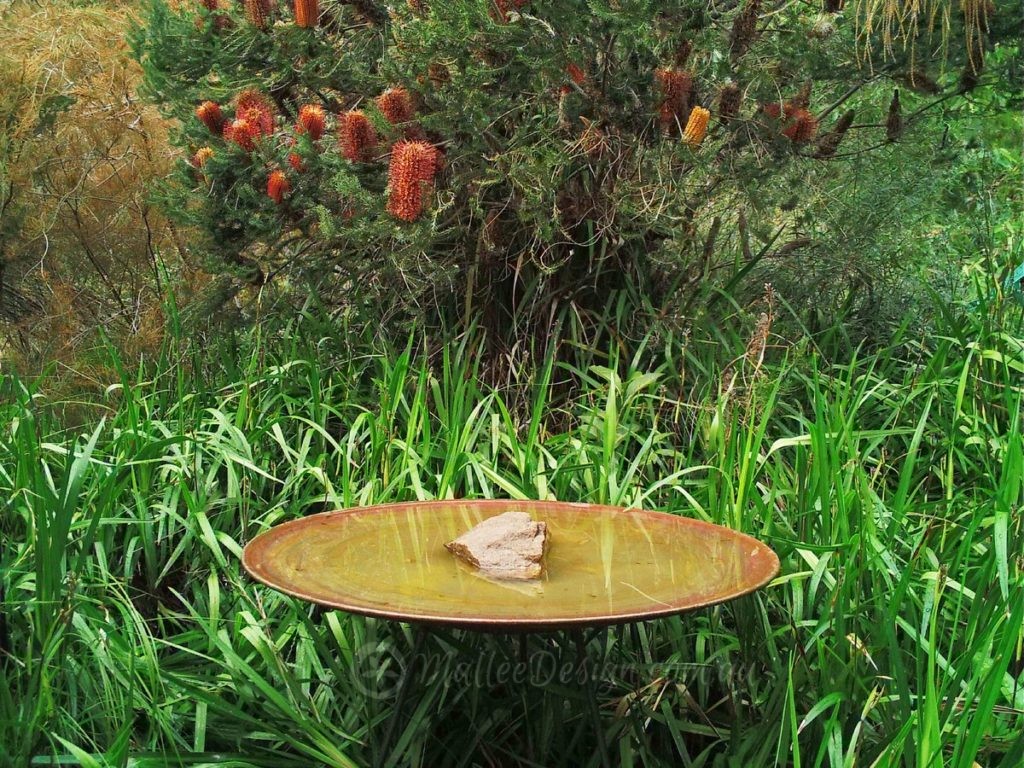
Birdbaths designed for birds

Mallee Birdbaths are specifically designed to serve birds. The copper dishes are broad and shallow, allowing birds to land on the edge and walk into the water. The baths are modern, elegant and durable. They are locally made in the Illawarra (NSW, Australia) using materials that will weather well and last decades. For help on which dish to choose, go here.